
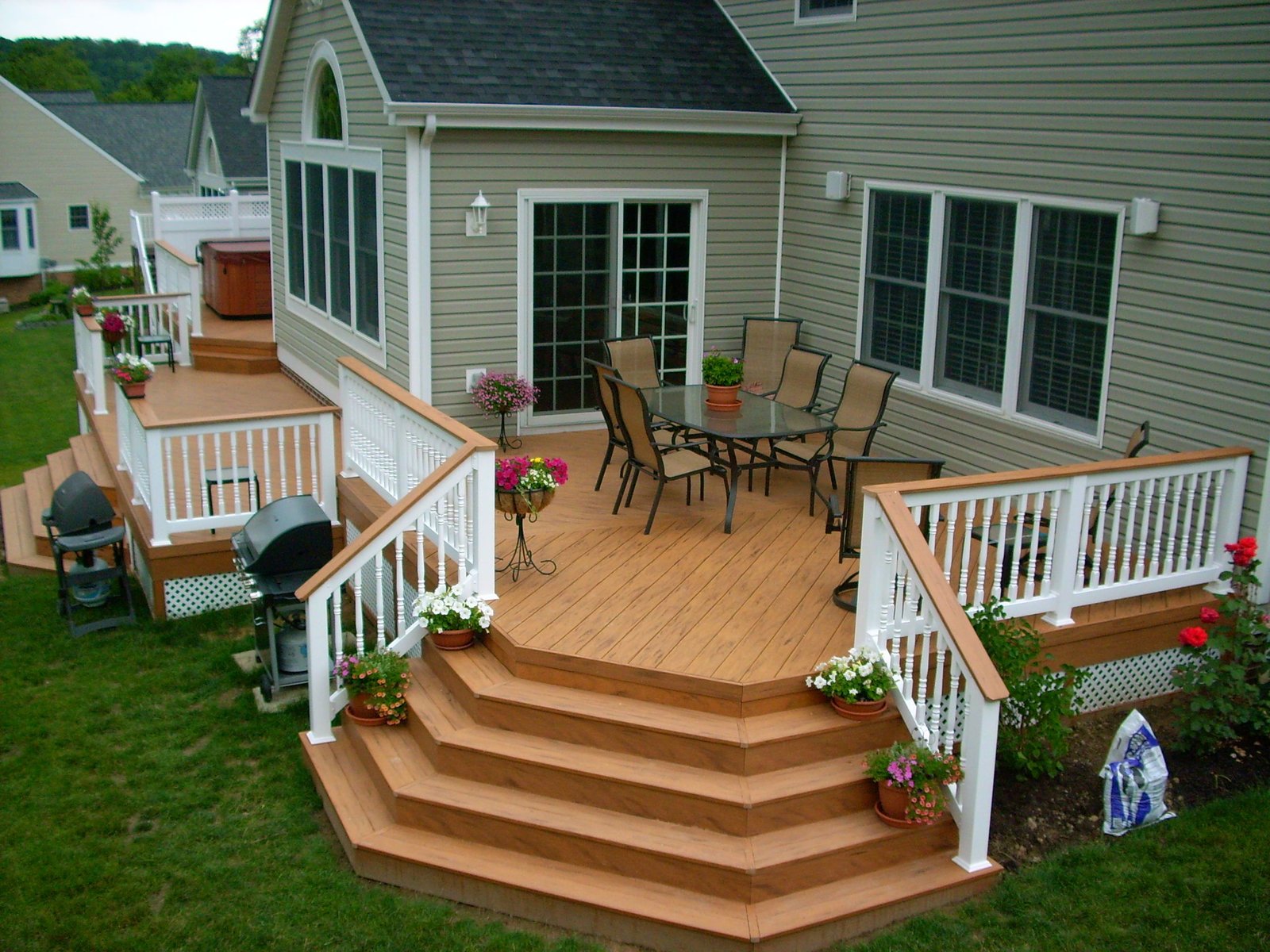
A deck can be a valuable addition to any home, creating a comfortable outdoor area for relaxing, entertaining, dining, and spending time with family. However, as homeowners begin planning a new deck, one of the first questions they often ask is how much deck building will cost in 2026. The final price can vary depending on deck size, material selection, design, height, labor requirements, and additional features. At Green Fox Renovations, our goal is to help homeowners create outdoor spaces that are attractive, functional, and built to meet their needs. We provide professional deck building solutions, custom designs, material options, and quality installation designed to create comfortable and long-lasting outdoor living spaces.
In 2026, professional deck building generally costs between $4,339 and $12,651, with an average project cost of around $8,318. Many professionally built decks cost approximately $30 to $60 per square foot, although larger, elevated, customized, or premium-material decks can cost more. The final investment depends on the size of the deck, materials, labor, design complexity, height, permits, and selected upgrades.
Why Is There Such a Wide Price Range?
The final cost of deck building is not fixed because every project has different requirements. A simple ground-level deck using budget-friendly materials will generally cost less than a large multi-level deck with premium materials, stairs, railings, lighting, and custom features.
These include:
- The overall deck size
- Type and quality of decking material
- Deck height and location
- Design and layout complexity
- Framing and foundation requirements
- Labor and installation
- Stairs and railings
- Permits and inspection requirements
- Lighting and other outdoor features
Unlike a simple outdoor improvement, deck construction requires proper planning, structural support, accurate measurements, and safe installation. Understanding these cost factors before starting can help homeowners create a realistic budget and avoid unexpected expenses.
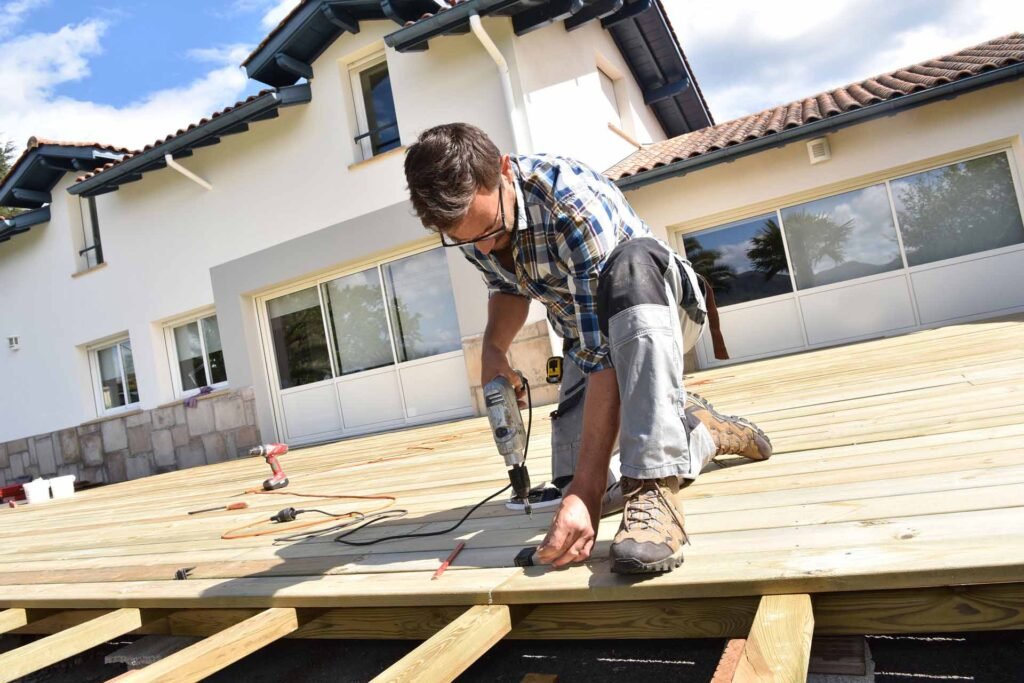
The Deck Building Process Explained
The deck building process is a detailed step-by-step method used to create a safe, durable, and functional outdoor living space. Depending on the deck design, size, materials, and site conditions, the process may include planning, layout preparation, footing installation, framing, decking installation, stairs, railings, and final finishing.
The Step-by-Step Deck Building Process
1. Planning and Design
- Check local rules: Visit your local building authority for permits and call 811 to find underground utility lines.
- Choose a style: Decide if your deck will connect to your house with a ledger board or stand free on its own.
- Pick materials: Select pressure-treated wood or composite boards for your surface.
- Map the layout: Use stakes, batter boards, and string lines to mark the outer corners of the deck. Measure the diagonal corners to ensure the layout forms a perfect square.
2. Footings and Posts
- Dig holes: Dig holes for your support posts deep below the local frost line to prevent shifting.
- Pour concrete: Pour concrete into the holes and set metal post anchor brackets into the wet mix.
- Set posts: Cut your support posts to the correct height, attach them to the anchors, and check that they are completely plumb (vertically straight).
- Add the ledger board: If attaching to a house, install waterproof flashing and bolt the ledger board securely to the wall
3. Framing the Deck
- Install beams: Place horizontal beams on top of your support posts and fasten them tightly with structural hardware.
- Hang joists: Attach the outer rim joists and inner floor joists using metal joist hangers, usually spacing them 16 inches apart.
- Square the frame: Measure the diagonal corners of your frame once more to verify it is square before fastening everything permanently.
4. Laying Deck Boards
- Start straight: Lay your first deck board parallel to the house or outer edge, leaving long overhangs to trim later.
- Leave gaps: Fasten each board to the joists with screws, leaving a small 1/8 to 3/16-inch gap between boards for water drainage.
- Trim edges: Cut the ends of the installed decking evenly using a circular saw for a clean finish
5. Stairs and Railings
- Build stairs: Cut stair stringers from heavy lumber, attach them securely to the deck frame, and install flat stair treads.
- Install railings: Secure vertical guard posts, top rails, and balusters to code for safety.
- Finish surface: Clean the wood or composite surface, then apply a protective stain or sealant if you used natural wood.
Final Inspection and Cleanup
- Check the structure: Inspect the framing, decking, stairs, railings, and connections.
- Complete finishing: Make sure all components are properly secured and finished.
- Clean the area: Remove construction debris and leave the completed deck area clean and ready for use.
The 7 Key Factors That Decide Deck Building Cost
The average deck-building price provides a useful starting point, but the actual cost of your project depends on several important factors. Each deck has unique requirements, which means the final price can vary significantly from one project to another.
Deck Size and Square Footage
Deck size is one of the biggest factors affecting the overall cost. Larger decks require more decking boards, framing materials, concrete footings, fasteners, railings, and labor.
Professional deck construction generally costs around $30–$60 per square foot. A larger deck will require a greater overall investment, while a smaller deck may remain closer to the lower end of the total price range.
For example:
10 × 10 Deck: $3,000–$6,000
12 × 12 Deck: $4,320–$8,640
12 × 20 Deck: $7,200–$14,400
20 × 20 Deck: $12,000–$24,000
These figures are general estimates based on the typical per-square-foot range, and actual project pricing can vary depending on materials and design requirements.
Decking Material Selection
The material you choose can have a major effect on your deck-building budget. Pressure-treated wood is generally one of the more affordable options, while premium wood, composite, and other specialty materials can increase the cost.
Typical material costs can include:
Pressure-Treated Wood: $2–$5 per sq. ft.
Cedar: $3–$6 per sq. ft.
Bamboo: $3–$9 per sq. ft.
Mahogany: $7–$10 per sq. ft.
Tigerwood: $6–$14 per sq. ft.
Ipe: $9–$18 per sq. ft.
Composite: $11–$20 per sq. ft.
Premium Materials: Up to $45 per sq. ft.
Material pricing can vary based on quality, availability, durability, maintenance requirements, and the overall design of the deck.
Deck Height and Construction Type
A ground-level deck is generally simpler to build than an elevated or second-story deck. Higher decks require additional structural support, framing, stairs, railings, and safety considerations.
Second-story decks can cost significantly more because they require more complicated framing and installation. Elevated designs may also require additional planning to ensure the structure is stable and properly supported.
Floating decks are another option and can generally cost around $20–$60 per square foot, depending on materials and construction requirements.
Framing and Foundation Requirements
The framing creates the structural foundation of the deck and supports the decking surface. Posts, beams, joists, concrete footings, fasteners, and other structural components all contribute to the project cost.
Professional framing labor can cost around $9–$12 per square foot, depending on project requirements and complexity. Proper framing is important for creating a stable and long-lasting deck structure.
Labor and Installation
Labor represents an important part of the total deck-building budget. Professional installation involves site preparation, foundation work, framing, decking installation, railing installation, stairs, finishing, and final safety checks.
Labor can account for a significant portion of the total project cost, particularly when the deck includes elevated construction, complicated layouts, custom features, or difficult access. Hiring experienced deck builders can also help ensure the structure is installed properly and meets applicable building requirements.
Stairs, Railings, and Safety Features
Stairs and railings can add to the total cost of a deck project. Their price depends on the number of stairs, railing material, design, height, and installation requirements.
A typical staircase can cost around $25–$50 per stair, while railing costs vary depending on the material and design selected.
Homeowners should consider these features during the initial planning stage instead of treating them as last-minute additions.
Design Complexity and Custom Features
A simple rectangular deck will generally require less labor and material than a multi-level, wraparound, curved, or highly customized design.
Additional features may include:
- Built-in seating
- Outdoor lighting
- Custom stairs
- Privacy screens
- Pergolas or shade structures
- Outdoor electrical outlets
- Deck awnings
- Multiple levels
- Custom railing systems
For example, outdoor lighting fixtures can cost around $50–$500, outdoor electrical outlets can cost approximately $130–$300, and retractable deck awnings can range from about $600–$3,500.
Average Deck Building Cost by Project Type
| Deck Project Type | Typical Cost Range | What May Be Included |
| Small Ground-Level Deck | $3,000–$6,000 | Basic framing, decking, and simple layout |
| Standard Deck | $4,340–$12,550 | Framing, decking, stairs, and basic railings |
| Large Deck | $12,000–$20,000+ | Larger surface area, additional framing, stairs, and railings |
| Elevated Deck | $10,000–$25,000+ | Additional structural support, stairs, and railings |
| Custom Multi-Level Deck | $15,000–$30,000+ | Multiple levels, custom layout, premium features, and materials |
Note: Actual deck-building costs vary depending on size, materials, labor, design complexity, height, foundation requirements, permits, and selected features. Larger custom projects and premium materials can increase the total investment.
Key Signs Your Home May Need a New Deck
An existing deck may eventually require replacement when repairs no longer provide a practical long-term solution. Common signs include:
- Rotting or Damaged Boards: Soft, cracked, or deteriorated boards can affect the safety and appearance of the deck.
- Loose Railings: Unstable railings can create safety concerns and may require replacement.
- Structural Damage: Damaged posts, beams, or joists can affect the stability of the entire structure.
- Cracked or Splintered Wood: Severe surface damage can make the deck uncomfortable and difficult to maintain.
- Water Damage: Continued moisture exposure can contribute to rot and deterioration.
- Uneven Surfaces: Warped or uneven boards may indicate aging or structural problems.
- Frequent Repairs: Repeated repair needs may indicate that replacement is more practical.
- Outdated Design: An old layout may no longer provide the outdoor space or functionality your household needs.
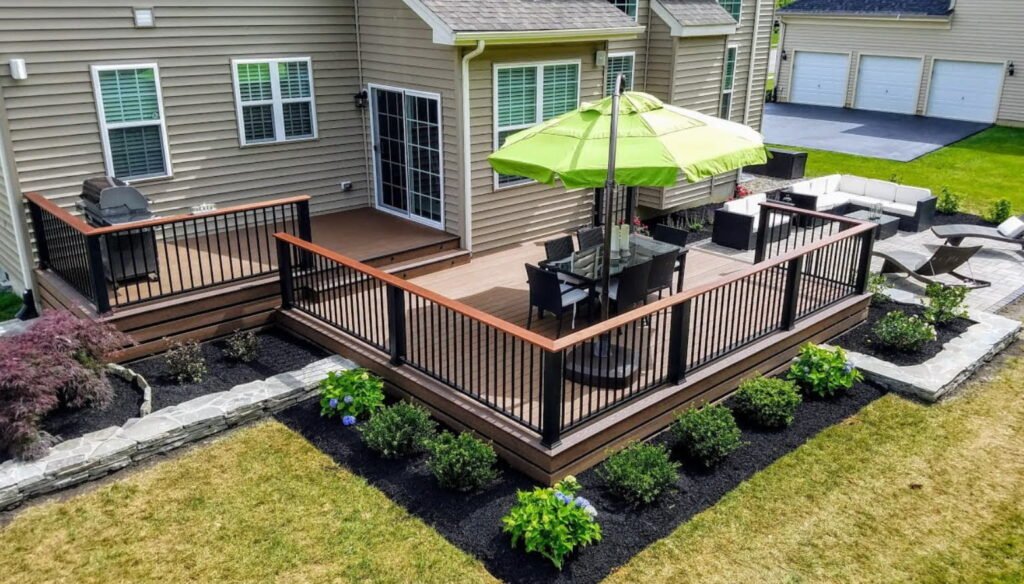
Does Building a Deck Add Value to a Home?
A well-designed deck can improve outdoor living space and make a home more appealing to potential buyers. However, the return on investment can vary depending on the deck type, materials, construction quality, design, and local housing conditions.
A professionally built deck can also provide practical benefits beyond resale value by creating additional space for outdoor dining, relaxing, entertaining, and everyday use.
Why Professional Deck Building Matters
Deck building requires accurate measurements, proper structural planning, suitable materials, and professional workmanship. Poor construction can lead to unstable framing, uneven surfaces, drainage problems, loose railings, premature material damage, and unnecessary repair costs. That is why choosing a professional deck building company in Stafford, TX is important for achieving a safe, durable, and long-lasting outdoor structure.
This is especially important because modern decks can include elevated platforms, multiple levels, stairs, custom railings, lighting, built-in seating, and other features that require careful planning and installation. Skilled professionals understand foundation preparation, framing, material selection, structural requirements, and finishing details. At Green Fox Renovations, the focus is on creating attractive and functional outdoor spaces that are designed around each homeowner’s needs.
Conclusion
The cost of deck building in 2026 depends on several factors, including deck size, material selection, labor, height, design complexity, structural requirements, and additional features. Professional deck construction generally costs around $30–$60 per square foot, while typical project costs range from approximately $4,339 and $12,651, with an average of about $8,220. Larger, elevated, or highly customized decks can cost more depending on the project requirements.
At Green Fox Renovations, we help homeowners create attractive and functional outdoor spaces designed around their needs. From deck planning and material selection to professional construction and finishing details, our goal is to deliver quality deck-building solutions that provide comfort, durability, and long-term enjoyment.
FAQ’S
1. How Much Does Deck Building Cost in 2026?
Professional deck building typically costs $4,339–$12,651, with an average of about $8,318.
2. How Much Does Deck Building Cost Per Square Foot?
Professional deck construction generally costs around $30–$60 per square foot.
3. Which Decking Material Is Most Affordable?
Pressure-treated wood is generally one of the more affordable decking materials, at about $2–$5 per square foot for materials.
4. How Long Does It Take to Build a Deck?
A simple deck can take several days to build, while larger or more complex projects may take longer.
5. Do I Need a Permit to Build a Deck?
Permit requirements vary by location, so homeowners should check local building requirements before construction.